

What Are the Benefits of a Mobile Bladder Scanner?
Imagine you're a healthcare professional facing the daily challenge of efficiently managing patients' urinary issues without compromising their comfort or safety. A mobile bladder scanner can be a game changer in your practice. By enabling quick, non-invasive measurements of bladder volume, it not only reduces the necessity for catheters, thereby cutting down on associated infections, but also enhances patient satisfaction through less invasive procedures. Now, consider how integrating this technology could transform your workflow and patient outcomes. What if there's more to its benefits and applications in various healthcare settings than meets the eye?
Key Takeaways
- Reduces catheter use, lowering the risk of urinary tract infections and enhancing patient comfort.
- Provides rapid, real-time bladder volume assessments, speeding up diagnosis.
- Non-invasive and painless, improving patient safety and comfort during assessments.
- Portable and versatile, suitable for use in various healthcare settings including hospitals and nursing homes.
- Cost-effective by decreasing expenses related to catheter-related complications and unnecessary diagnostic tests.
Bladder Scanner Overview
Understanding a mobile bladder scanner begins with recognizing its fundamental role in modern medical diagnostics. You're looking at a sophisticated tool that leverages ultrasound technology to determine bladder volume efficiently.
It's non-invasive, reflecting sound waves off your bladder and displaying the data in real-time. This means you get immediate insights into bladder function without the discomfort or risks associated with more invasive procedures.
This device is incredibly valuable in preventing urinary tract infections. By providing accurate volume measurements, it helps in deciding whether catheterization is necessary, which is often a culprit behind these infections. You're spared the potential discomfort and health risks associated with unnecessary catheter placements.
Moreover, the ease of use is a significant advantage. The scanner typically includes a handheld probe and a high-definition color display, making it user-friendly and effective in clinical settings.
Whether in urology or postoperative care, it guarantees quick assessments, allowing for prompt and precise medical responses. This rapid assessment capability not only streamlines patient care but also minimizes the risk of complications, enhancing the overall safety and effectiveness of urinary management.
Benefits of Bladder Scanning
You'll appreciate how mobile bladder scanners minimize the need for catheterization, cutting down on the risks associated with invasive procedures like CAUTIs.
They also speed up the diagnostic process, allowing healthcare professionals to assess bladder volume quickly and accurately.
This combination of reduced catheter use and enhanced diagnostic speed not only improves patient care but also contributes to significant cost savings for healthcare facilities.
Reducing Catheter Use
Mobile bladder scanners often play a vital role in reducing unnecessary catheter use by enabling the rapid assessment of postvoid residual (PVR) urine volumes.
These devices help you determine the exact bladder volume, which is essential in identifying urinary retention and preventing undue catheterization. By doing so, you're not only enhancing patient comfort but also greatly lowering the risk of catheter-associated urinary tract infections (CAUTIs).
These infections can extend hospital stays and bump up healthcare costs, so avoiding them is a key priority.
Evidence shows that bladder scanning protocols can slash catheterization rates by up to 50%, boosting patient outcomes and satisfaction. This is particularly important in sensitive groups, like the elderly, where the non-invasive nature of bladder scanning means interventions can be timely, without the discomfort and risks tied to catheterization.
Moreover, the routine use of mobile bladder scanners streamlines clinical workflows. This results in fewer catheterizations and more efficient patient management, whether in inpatient or outpatient settings.
You'll find that integrating these scanners into regular care processes not only saves time but also resources, making it a win-win for both healthcare providers and patients.
Enhancing Diagnostic Speed
Building on the capability to reduce catheter use, mobile bladder scanners also excel in speeding up diagnostics. When you're facing a situation where every second counts, particularly in acute care or postoperative settings, the ability to swiftly assess bladder volume can be a game-changer.
These devices allow for immediate diagnostic insights, enabling you to quickly identify urinary retention and expedite the necessary interventions.
Imagine reducing the waiting time for diagnostic results from hours to mere minutes. That's what you get with a mobile bladder scanner. It's not just about convenience; it's about enhancing patient care by minimizing discomfort and preventing the complications that can arise from delayed treatment.
By using these scanners, you're equipped to make faster clinical decisions.
Studies back up these benefits, showing that the rapid diagnosis provided by portable bladder ultrasound technology can lead to shorter hospital stays and improved outcomes.
Indicators for Bladder Scanning

Many patients benefit from bladder scanning, a non-invasive, reliable method to assess urinary function and guide clinical decisions. As you explore whether this tool might be right for you or your loved ones, understanding when bladder scanning is particularly recommended can clarify its value.
Bladder scanning is essential in various medical scenarios, especially for managing and diagnosing conditions that affect urinary function. Here are some key indicators where bladder scanning is commonly used:
- Post-operative Care: Particularly after surgeries that may impact urinary function, scanning helps assess for potential urinary retention.
- Prostate or Urethral Issues: If you've got an enlarged prostate or urethral stricture, bladder scanning can guide treatment by evaluating how well you're voiding.
- Neurogenic Bladder or Spinal Injuries: For those with nerve or spinal injuries, it monitors bladder volume to prevent overdistension and other complications.
- Stroke Recovery: Post-stroke, it's important to determine if catheterization is necessary, helping manage urinary health.
- Urinary Incontinence and Diabetes: Bladder scanning aids in identifying issues like postvoid residual (PVR), which can influence the management of urinary incontinence in diabetic patients.
Understanding these indicators can guarantee you're using bladder scanning effectively to maintain or enhance urinary health.
Safety and Side Effects
You'll appreciate that the mobile bladder scanner is a non-invasive tool, which means you won't face any known side effects from its use.
There's no need for sedation or any uncomfortable preparations, so your discomfort is minimal.
This simplicity not only makes the process quicker but also safer, avoiding complications like urinary tract infections that can occur with more invasive methods.
Non-Invasive Procedure Benefits
The mobile bladder scanner greatly enhances patient safety by eliminating the need for catheterization, which in turn reduces the risk of urinary tract infections (UTIs) typically associated with more invasive procedures.
As you consider the advantages of this non-invasive procedure, it's important to recognize how markedly it shifts the landscape of monitoring bladder function.
Here are some vivid benefits you'll find with the mobile bladder scanner:
- Immediate Results: Picture yourself getting real-time data about your bladder volume without waiting for complex tests.
- Comfort and Ease: Imagine undergoing a quick scan, fully clothed, in a matter of minutes.
- Safety First: Envision a world where your risk of developing a UTI or other complications is noticeably lower.
- Broad Application: Visualize a device that's equally effective whether you're dealing with a neurogenic bladder or recovering from surgery.
- Zero Side Effects: Think about receiving necessary care without the worry of adverse reactions.
This tool not only prioritizes your health by minimizing exposure to infections but also respects your comfort and time.
Its reliability and safety make it a standout choice for ongoing care, ensuring you're not just treated well, but wisely.
Minimal Discomfort Levels
Generally, patients undergoing a mobile bladder scan report minimal discomfort, if any at all. This low level of discomfort is largely due to the non-invasive nature of the portable bladder ultrasound. Unlike traditional urinary catheterization, which can be quite uncomfortable and even painful, a mobile bladder scan requires no such invasive procedures. You won't have to worry about the pain that often accompanies the insertion of a catheter.
Furthermore, since the scanner doesn't require sedation or intubation, you stay comfortable and aware during the entire process. The procedure itself involves just a simple scan over the lower abdomen, ensuring that you experience minimal physical contact. This considerably reduces any discomfort and preserves your dignity and comfort.
Another considerable advantage is the reduced risk of UTI. Traditional catheterization methods can introduce bacteria into the urinary tract, leading to infections. However, with a mobile bladder scanner, the risk of contracting a urinary tract infection is greatly minimized because the skin isn't breached.
This makes the mobile bladder ultrasound not only a more comfortable choice but also a safer option in maintaining your urinary health.
Clinical Need and Target Population

With age, many elderly individuals experience a decline in bladder function and involuntary contractions, making mobile bladder scanners an essential tool for evaluation.
You mightn't realize how common urinary issues are among the elderly, but they greatly impact quality of life. The mobile bladder scanner steps in as a vital device for elderly patients, providing a non-invasive way to check for urinary retention and guarantee proper bladder management.
Imagine the difference this makes in the daily lives of those affected. Here's how the device proves beneficial in various settings:
- Elderly Care Facilities: Enabling regular and easy monitoring to manage bladder health effectively.
- Hospitals: Quickly evaluating patients post-surgery to prevent complications related to urinary retention.
- Rehabilitation Centers: Aiding recovery by making sure urinary tract health isn't overlooked.
- Home Care Settings: Empowering caregivers to provide better care with accurate bladder function data.
- Specialized Units: Offering vital support for stroke patients and those with spinal injuries to monitor and manage urinary issues efficiently.
The mobile bladder scanner's role is fundamental in managing the health of those with compromised bladder functions, making it a key component in healthcare strategies across various medical fields.
Portable Bladder Ultrasound Technology
As healthcare providers seek more efficient diagnostic tools, portable bladder ultrasound technology emerges as a key solution, offering real-time, non-invasive bladder volume measurements. This technology allows you to swiftly assess postvoid residual (PVR) volume, minimizing the need for uncomfortable catheterizations.
It's a game-changer in how you manage patient care, especially for those at high risk or post-operative. These devices aren't just about avoiding catheters; they revolutionize your approach to bladder health. With real-time imaging, you're equipped to make immediate decisions, enhancing your efficiency and patient outcomes.
The user-friendly interfaces and vivid color displays mean that you don't need to be a tech expert to operate them effectively. Whether you're a seasoned nurse or a newcomer to healthcare, you'll find portable bladder ultrasound systems easy to use.
Moreover, the accuracy of these devices is exceptional, thanks to patented algorithms that guarantee precise volume measurements. This precision supports your efforts in monitoring diverse patient groups effectively, avoiding the guesswork that can sometimes accompany manual methods.
You're not just using a tool; you're advancing the standard of care with every scan.
Economic Analysis and Policy
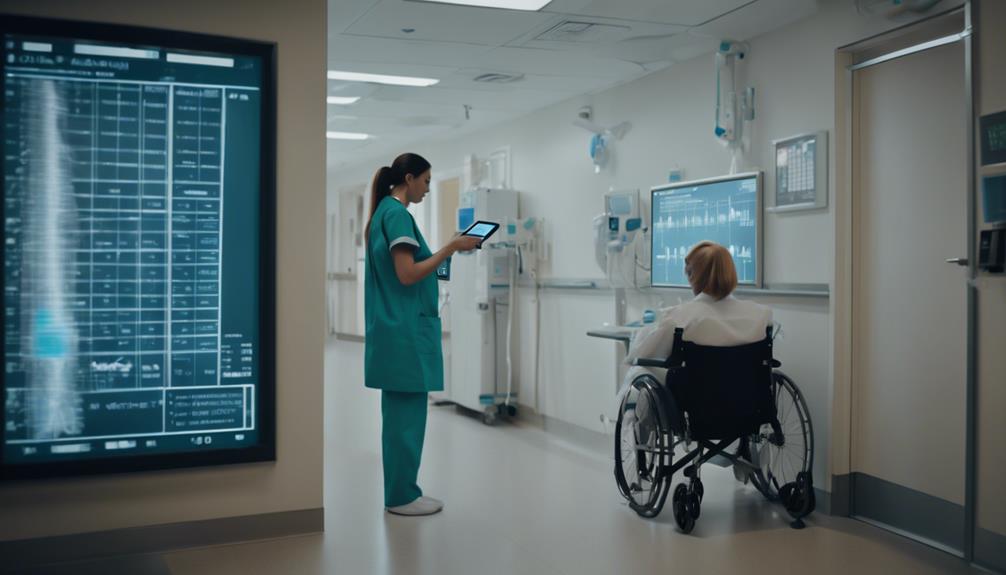
Economic considerations are essential when evaluating the adoption of mobile bladder scanner technology. As you explore the numbers, the economic benefits and cost savings become clear, especially considering the reduction in urinary tract infections (UTIs) and other medical complications associated with invasive procedures.
Imagine the financial relief your facility could experience with these projected outcomes:
- Annual Cost Savings: Each facility could save approximately $192,499, adding up to $2,887,485 for 15 facilities.
- Reduction in Invasive Procedures: By minimizing the need for catheterizations, you're also cutting down on associated costs.
- Decrease in UTI Rates: Fewer catheterizations lead to fewer catheter-associated UTIs, reducing treatment costs and improving patient outcomes.
- Lower Hospital Stays: Early detection and management of bladder issues can decrease the length of hospital stays, further reducing costs.
- Long-term Financial Benefits: The initial investment in bladder scanning technology is offset by long-term savings from these improvements.
Policymakers should note the significant advantages of integrating portable bladder ultrasound technology into healthcare settings. By supporting this technology, you're not just enhancing patient care but also streamlining budget allocations in your healthcare system.
Assessment and Management Techniques
Many healthcare facilities now recognize the essential role mobile bladder scanners play in efficient patient management. These devices offer a non-invasive way to measure postvoid residual (PVR) urine volume, important for evaluating patients quickly and comfortably.
You'll find them especially useful in postoperative care, where they help detect urinary retention early, preventing serious complications like urinary tract infections (UTIs).
By incorporating mobile bladder scanners into routine practices, you can avoid the frequent use of indwelling catheters. This reduction not only minimizes the risks of catheter-associated urinary tract infections (CAUTIs) but also cuts down on related healthcare costs.
Additionally, studies have shown that using bladder scanners can greatly reduce hospital stays, boosting patient throughput and enhancing the overall efficiency of healthcare operations.
To obtain these benefits, it's essential to train your healthcare team effectively in the use of mobile bladder scanners. Proper training guarantees accurate evaluations, which are fundamental when managing conditions like neurogenic bladder or monitoring those at risk for urinary retention.
Implementing these devices and techniques properly, you'll enhance patient care and streamline your facility's operations.
Future Implications and Research
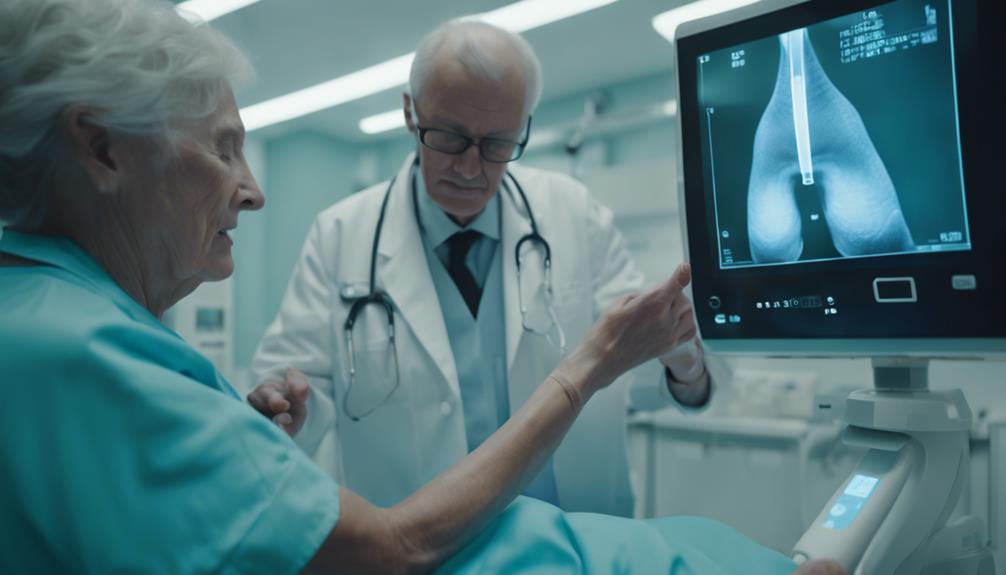
A significant number of healthcare professionals are now turning their attention to the potential future benefits and applications of mobile bladder scanners.
You'll find that the ongoing research and evolving practices surrounding these devices could greatly enhance clinical outcomes and streamline patient care.
Here are some key areas where future implications and research could lead:
- Prospective Studies: Validating the effectiveness of mobile bladder scanners in reducing urinary tract infections and shortening hospital stays.
- Stroke Patient Care: Integrating bladder scanning into standardized clinical protocols to improve outcomes for stroke patients.
- Education and Training: Enhancing the skills of nursing staff to guarantee accurate postvoid residual measurements and minimize detection errors.
- Broader Clinical Application: Investigating the use of mobile bladder scanners in pediatric and rehabilitation settings to uncover new benefits.
- Cost-Effectiveness Analysis: Evaluating the economic impact of these devices across different healthcare environments.
As you explore these research avenues, you're not just observing technology in use; you're participating in a movement that could redefine how urinary health is managed in diverse patient populations.
Keep an eye on how mobile bladder scanners continue to evolve—they're set to make a significant impact.
Frequently Asked Questions
What Is the Purpose of a Bladder Scan?
A bladder scan gauges your bladder's volume and position non-invasively, maximizing diagnostic efficiency.
It guarantees accuracy in measuring how much urine remains after you've voided, essential for evaluating possible urinary retention.
By opting for a bladder scan, you're choosing a method that heightens patient comfort, avoiding more invasive procedures like catheterizations.
This tool is pivotal for timely diagnosis and treatment, enhancing your overall care and comfort.
Why Would a Nurse Use a Bladder Scanner?
You'd use a bladder scanner to boost nurse efficiency, enhance patient comfort, and increase diagnostic accuracy.
It lets you quickly check bladder volume noninvasively, reducing unnecessary catheterizations and the associated risks of infections.
This tool streamlines your workflow, allowing you to provide better care with less discomfort for your patients.
Plus, it's easy to use, making it a practical addition to your routine patient assessments.
What Is the Disadvantage of Bladder Scanner?
You'll find that bladder scanners have several drawbacks.
Cost considerations are significant since these devices can be expensive to acquire, potentially straining your budget.
Additionally, they require thorough user training to guarantee accurate readings, which can be a time-consuming process.
Accuracy issues also arise, particularly in patients with certain physical conditions, which can compromise the effectiveness of the measurements, leading to potential mismanagement in patient care.
How Often Should You Get a Bladder Scan?
You should get a bladder scan based on your medical condition and doctor's advice.
Frequency guidelines generally suggest scans post-surgery to monitor recovery, or regularly if you have conditions like an enlarged prostate or neurogenic bladder.
Regular scans guarantee patient comfort by preventing discomfort from retention and maintaining scan accuracy to monitor bladder health effectively.
Follow your healthcare provider's recommendations to adjust frequency based on your specific health needs and scan results.
Conclusion
You've seen how mobile bladder scanners revolutionize patient care, from minimizing invasive procedures to boosting clinical efficiency. They're pivotal in preventing infections and reducing healthcare costs. Embracing this technology means you're prioritizing patient comfort and safety, while streamlining your clinical operations. As you look ahead, consider the ongoing research that promises even greater advancements. Investing in portable bladder ultrasound technology isn't just a choice—it's a step towards future-proofing your healthcare practice.
