
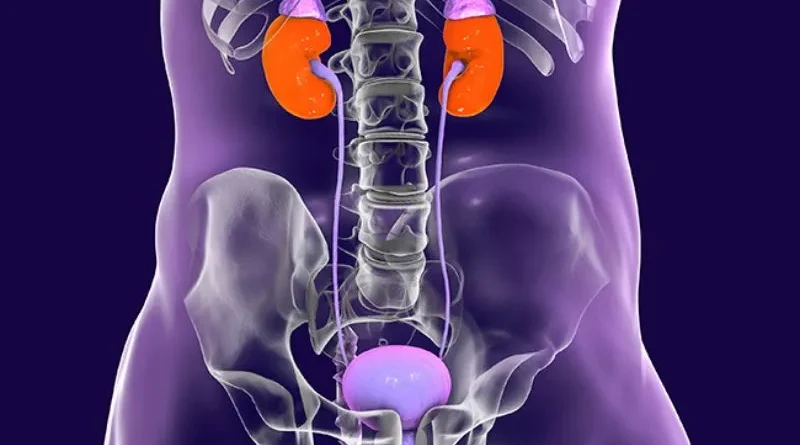
Bladder Scanner for Neurogenic Bladder: Benefits and Diagnosis
A bladder scanner is a trusted guide in diagnosing and handling neurogenic bladder. Using ultrasound technology paints a clear picture of the bladder, helping healthcare providers see what’s going on inside to make informed treatment decisions. But there’s more. These clever devices don’t just visualize; they calculate post-void residual volume, aiding in tackling urinary retention problems. Get ready to dive deep into the significance of this practical tool.
Portable bladder ultrasound devices, such as bladder scanners, are invaluable in managing neurogenic bladder. These devices accurately measure postvoid residual (PVR) volume, helping healthcare professionals assess bladder function, determine appropriate treatment plans, and reduce the risk of associated complications. For individuals with neurogenic bladder, routine use of a bladder scanner can aid in monitoring bladder health and guiding interventions to optimize continence and urinary function.
Overview of Bladder Scanners in Neurogenic Bladder
Neurogenic bladder, resulting from nervous system damage or disorders, disrupts normal bladder function, leading to symptoms such as urinary retention and incontinence. Effective management of this condition requires a thorough understanding of bladder function, focusing on assessing post-void residual (PVR) urine volume.
Role of Bladder Scanners in Neurogenic Bladder Management

Buy the Meike Palm Bladder Scanner V5.1 here
Bladder scanners play a crucial role in neurogenic bladder care by offering accurate and non-invasive measurements of PVR volume. Utilizing ultrasound technology, these devices provide three-dimensional images of the bladder, aiding in diagnosing and monitoring urinary retention severity. The non-invasive nature of bladder scanners is particularly beneficial for patients facing challenges associated with neurogenic bladder conditions, contributing to a more patient-friendly approach to management.
Benefits of Noninvasive Visualization in Neurogenic Bladder Patients
Bladder scanners are particularly valuable for individuals with neurogenic bladders because of their safety and ease of use. These devices enable healthcare providers to visualize the bladder’s status without invasive procedures, enhancing efficiency in diagnosis and contributing to a more patient-friendly experience.
Longitudinal Monitoring and Treatment Adjustments
Regular use of bladder scanners facilitates the longitudinal monitoring of PVR volume, allowing healthcare providers to track changes in bladder function over time. This data is essential for adjusting treatment plans and evaluating the effectiveness of interventions, aiding in informed decision-making regarding medication adjustments or potential surgical interventions.
Enhancing Diagnostic Precision in Neurogenic Bladder Management
Despite concerns about overreliance on technology, bladder scanners enhance the accuracy and precision of neurogenic bladder management when used in conjunction with clinical judgment and other diagnostic assessments. When combined with healthcare expertise, these devices provide objective data that contribute to a more comprehensive and effective approach to diagnosis and treatment strategies.
Benefits of Bladder Scanners in Neurogenic Bladder Management
When managing the neurogenic bladder, precise and reliable tools become essential. The bladder scanner shines in this area, offering several key benefits that significantly impact the care and treatment of individuals with this condition.
Preventing Urinary Tract Infections
Accurate postvoid residual (PVR) volume measurement prevents urinary tract infections (UTIs). For individuals with neurogenic bladder, the risk of UTIs is notably high due to incomplete bladder emptying, making regular and accurate assessment crucial. Using bladder scanners allows healthcare providers to monitor PVR volume effectively, enabling them to intervene promptly if residual urine poses a risk for UTIs. By doing so, the incidence of UTIs can be minimized, enhancing the overall well-being of patients with neurogenic bladder.
Minimizing Invasive Procedures
The introduction of non-invasive PVR measurement through bladder scanners represents a significant advancement in minimizing the need for more invasive techniques such as catheterization. For individuals managing neurogenic bladder, routine catheterization can lead to discomfort and an increased risk of complications. With bladder scanners, healthcare professionals can perform non-invasive assessments, reducing patient discomfort while preserving safety. Additionally, minimizing the frequency of catheterization mitigates the risk of associated complications, thus improving the overall quality of care provided to individuals with neurogenic bladder.
Tailoring Treatment Plans
The data obtained from bladder scans is invaluable for healthcare professionals in tailoring individualized treatment plans for patients with neurogenic bladder. By accurately assessing PVR volume and monitoring changes over time, healthcare providers can gain valuable insights into each patient’s unique condition, enabling them to tailor treatment plans that align with their needs. This personalized approach optimizes patient care outcomes by ensuring that interventions are precisely targeted, ultimately improving the comfort and quality of life for individuals managing neurogenic bladder.
In essence, bladder scanners’ benefits in managing neurogenic bladder extend beyond simple diagnostic capabilities; they play a pivotal role in enhancing patient safety, improving treatment precision, and ultimately contributing to a higher standard of care for individuals with this complex condition.
As we grasp the profound impact of bladder scanners in neurogenic bladder management, it becomes evident how technology continues to shape medical advancements in our quest for enhanced patient care. Let’s now explore the accuracy of bladder scanning technology in detecting neurogenic bladder.
Accuracy of Bladder Scanning Technology in Detecting Neurogenic Bladder

Bladder scanning technology emerges as a precise tool for healthcare providers to effectively assess and manage neurogenic bladder conditions. This technology is particularly crucial in detecting urinary retention and estimating bladder volume, contributing significantly to the overall management of neurogenic bladder patients.
Accurate Post-Void Residual (PVR) Measurement
Accurate post-void residual (PVR) volume measurement is paramount in diagnosing and managing neurogenic bladder. Bladder scanners offer a noninvasive and precise method for measuring PVR, allowing healthcare professionals to monitor urine remaining in the bladder after voiding. This information is vital for evaluating voiding effectiveness, preventing urinary tract infections, and devising tailored treatment strategies.
Quick and Noninvasive Measurements
Bladder scanners’ ability to provide quick, accurate, and noninvasive PVR measurements significantly improves the quality of care for individuals with neurogenic bladder. This technology enables healthcare teams to closely monitor changes in PVR volumes over time, facilitating timely interventions and adjustments to treatment plans based on evolving patient needs.
Proactive Management and Timely Interventions
In a scenario where ongoing management is crucial for a patient with neurogenic bladder, regular use of bladder scanning technology proves invaluable. Healthcare providers can effectively track PVR volumes, detect irregularities or trends indicating suboptimal bladder emptying, and intervene promptly to address concerns. This proactive approach minimizes the risk of complications related to urinary stasis and promotes better patient health outcomes.
As we have seen how crucial accurate measurement is in managing neurogenic bladder conditions, let’s now explore the comparison between bladder scanners and traditional diagnostics for neurogenic bladder.
Comparing Bladder Scanners with Traditional Diagnostics for Neurogenic bladder
Traditional methods often involve catheterization or invasive urodynamic tests when diagnosing neurogenic bladder. However, these procedures can be uncomfortable, pose an increased risk of infection, and demand more time for healthcare providers. On the other hand, bladder scanners offer a patient-friendly and non-invasive alternative, ensuring patient comfort and addressing the critical aspects of reducing infection risk and streamlining the clinical workflow.
Let’s break down the comparative analysis between the two diagnostic methods:
- Patient Comfort: Traditional diagnostic methods like catheterization can be quite uncomfortable for patients, leading to increased anxiety and stress. Conversely, bladder scanning is non-invasive and provides a more comfortable experience for individuals undergoing the assessment. This improves patient satisfaction and eliminates the physical discomfort associated with invasive procedures.
- Reduced Infection Risk: Catheter-associated urinary tract infections (CAUTIs) are a significant concern in healthcare settings. By minimizing the need for catheterization, bladder scanning reduces the risk of CAUTIs. Moreover, less invasive procedures can lower the chance of introducing bacteria into the urinary tract, further enhancing patient safety.
- Efficient Clinical Workflow: Bladder scanners streamline the assessment process by providing quick and accurate results in minutes. This efficiency is particularly valuable in busy clinical environments where time is of the essence. In contrast, traditional methods may require longer wait times due to the need for catheter insertion or conducting invasive urodynamic tests.
Considering these factors reveals that bladder scanners present a compelling case as an effective and patient-centered alternative to traditional diagnostic methods for neurogenic bladder. Now, let’s explore how these advantages translate into tangible benefits for patients and healthcare providers.
Available Bladder Scanners for Neurogenic Bladder
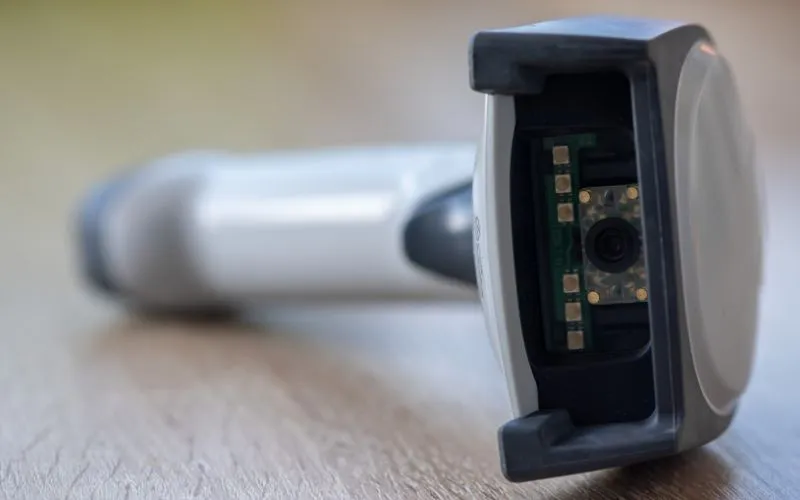
When considering bladder scanning devices for neurogenic bladder management, various options are available to cater to different clinical settings. Portable ultrasound models have gained traction due to their versatility and ease of use in various healthcare environments. These models offer healthcare providers the flexibility to efficiently assess patients with neurogenic bladder conditions without being confined to a specific location within the facility.
Portable Bladder Scanner
One popular option is the portable bladder scanner, which has become a preferred choice for its convenience and non-invasiveness. These scanners can be easily moved from one room to another, allowing medical professionals to conduct assessments at the patient’s bedside, in outpatient clinics, or during home visits. The portability factor improves patient comfort and allows seamless integration into different care delivery scenarios.
Portable ultrasound models are suitable for various clinical settings, offering flexibility and ease of use for healthcare providers assessing patients with neurogenic bladder conditions.
Handheld Bladder Scanner
Furthermore, the handheld bladder scanner is another prominent device that has garnered attention for its user-friendly design and accuracy in providing quick results. The compact nature of handheld scanners makes them ideal for point-of-care use, enabling swift evaluations and timely interventions. This feature is particularly crucial in addressing the dynamic needs of neurogenic bladder patients who may require frequent monitoring and adjustments in their treatment plans.
Imagine a scenario where a patient with a neurogenic bladder experiences sudden changes in urinary patterns during routine activities. In such cases, readily available handheld bladder scanners allow clinicians to promptly conduct an assessment, interpret the results, and make informed decisions without delay. This responsive approach to patient care aligns with the intention to achieve optimal outcomes for individuals managing neurogenic bladder challenges.
Modern Bladder Scanning Devices
Moreover, as technological advancements continue to shape the landscape of medical devices, there has been a notable emphasis on enhancing the user interface and data management features of bladder scanners. Modern bladder scanning devices often incorporate intuitive touchscreens, customizable settings, and seamless connectivity options that streamline workflow efficiency for healthcare teams. These attributes contribute to a more integrated approach to neurogenic bladder management by enabling accurate data capture, analysis, and communication within care networks.
The availability of diverse bladder scanning devices tailored for neurogenic bladder empowers healthcare facilities and providers with versatile assessment tools. It underscores the commitment to personalized care and improved patient outcomes.
As technology revolutionizes medical devices, let’s explore non-invasive options for bladder scanners, which can further enhance patient experience and diagnostic accuracy.
Non-Invasive Options in Bladder Scanners
The non-invasive nature of bladder scanners in neurogenic bladder assessments is a remarkable benefit that significantly enhances patient experience and compliance. This feature is particularly crucial for individuals dealing with various medical challenges, ensuring minimal discomfort and reducing the risk of complications associated with invasive methods like catheterization.
- Reduced Discomfort and Risk of Complications: Noninvasive bladder scanning procedures eliminate the need for catheterization, minimizing patients’ discomfort and lowering the risk of complications from invasive methods.
- Improved Patient Compliance: Regular and frequent monitoring of bladder volume is essential for individuals with neurogenic bladders. The non-invasive nature of bladder scanners encourages better patient compliance with recommended assessment schedules, as patients are more willing to undergo assessments without the discomfort associated with invasive procedures.
- Patient-Friendly Alternative: Understanding patient reluctance towards invasive methods, noninvasive bladder scanning technology provides a patient-friendly alternative for assessing bladder volume, contributing to a more comfortable and less disruptive experience for individuals managing neurogenic bladder conditions.
- Positive Impact on Overall Patient Experience: The non-invasive nature of bladder scanning contributes to a patient-centric approach to care, prioritizing the comfort and well-being of individuals with neurogenic bladders during medical evaluations.
- Enhanced Outcomes through Improved Compliance: By offering a less intrusive method for assessing bladder volume, healthcare providers can foster greater patient compliance with necessary monitoring and treatment plans, ultimately contributing to improved outcomes for individuals managing neurogenic bladder.
In essence, the non-invasive options in bladder scanning technology bring numerous advantages to neurogenic bladder assessments. These benefits extend beyond minimizing discomfort and reducing complications, fostering greater patient compliance, and improving outcomes for individuals managing neurogenic bladder.
Procedures for Bladder Scanning in Neurogenic Bladder Patients

Performing a bladder scan in neurogenic patients requires careful training and attention to detail to ensure accurate results. Before initiating the scan, it is essential to confirm the patient’s comfortable positioning, with particular considerations for wheelchair-bound individuals. Clear communication about the procedure is crucial to secure patient cooperation for accurate positioning.
Proper Steps for Bladder Scanning
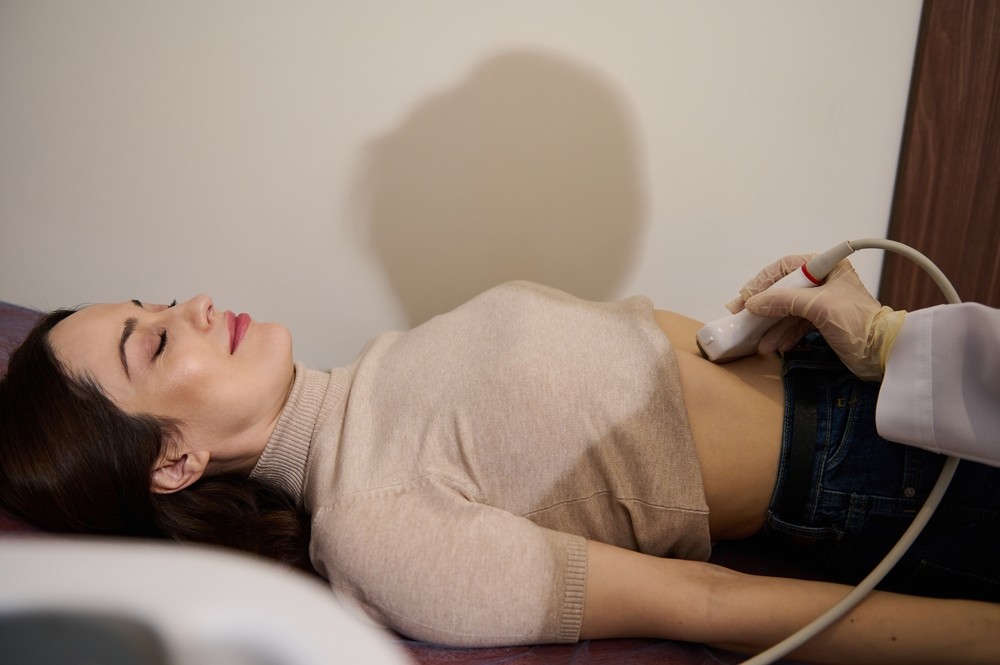
Before initiating the scan, it is crucial to confirm the patient’s comfort and adjust the positioning for wheelchair-bound individuals. Clear communication is essential for patient cooperation during the procedure. The scanning process involves applying ultrasound gel to the lower abdomen, maneuvering the scanner probe consistently, emitting ultrasound waves to form an image of the bladder, and displaying the calculated urine volume in seconds.
Interpreting Bladder Scan Results
Accurate interpretation of bladder scan results is pivotal for healthcare professionals. Understanding normal bladder volume ranges and post-void residual (PVR) urine volume is crucial in distinguishing urinary retention from emptying issues in neurogenic bladder patients. Scan results are carefully analyzed and compared with standard benchmarks to determine appropriate interventions or adjustments in treatment plans.
Documentation for Comprehensive Patient Records
Documenting bladder scan results is crucial for comprehensive patient records and treatment continuity. Healthcare professionals should systematically record details such as the date and time of the scan, patient positioning, ultrasound settings used, obtained bladder volume, and any specific observations relevant to the patient’s condition. This meticulous documentation facilitates informed decision-making during ongoing patient care and serves as a basis for tracking changes in bladder function over time.
By following these systematic procedures with diligence and precision, healthcare professionals can optimize the utility of bladder scanning in managing neurogenic bladder conditions, contributing to enhanced patient care and improved clinical outcomes.
With a clear understanding of the procedural intricacies around bladder scanning in neurogenic bladder patients, it’s vital to delve into physicians’ perspectives on integrating this diagnostic tool into daily practice.
How Do Bladder Scanners Help in Diagnosing Neurogenic Bladder?
Bladder scanners for neurogenic bladder are essential in diagnosing this condition. By using ultrasound technology, these scanners can accurately measure bladder volume and identify any irregularities caused by neurogenic bladder. This non-invasive method helps healthcare providers to assess and manage the condition effectively.
Physicians’ Perspectives on Bladder Scanners for Neurogenic Bladder
Physicians provide insights and recommendations to ensure effective patient care when managing neurogenic bladder. Their perspectives and experiences with technology such as bladder scanners can offer valuable insights into the diagnostic and treatment process. Let’s explore some of the key perspectives they bring to the table.
Real-world Insights
Physicians in the field of urology often share that integrating bladder scanners into their practices has revolutionized their approach to neurogenic bladder management. By incorporating noninvasive and accurate imaging technologies, they better understand their patient’s condition, enabling them to tailor treatment plans effectively.
Case Examples
Consider a patient presenting with symptoms of urinary retention due to neurogenic bladder dysfunction. Using a bladder scanner, physicians can accurately assess the post-void residual volume, aiding in determining appropriate interventions. This real-world application demonstrates how physicians use bladder scanners as essential tools for precise diagnosis and monitoring.
Enhancing Patient Experience
Healthcare providers emphasize that bladder scanning technology enhances the overall patient experience. Patients can undergo assessments comfortably without requiring invasive procedures such as catheterization or formal ultrasound examinations by offering a noninvasive approach to assessing bladder volume and post-void residual.
Testimonials
Consider the perspective of Dr. Smith, a seasoned urologist specializing in neurogenic bladder care. Dr. Smith notes that integrating bladder scanners has improved diagnostic accuracy and positively impacted patient satisfaction. Patients express relief knowing that noninvasive technology is being used to assess their condition, contributing to a more positive healthcare experience.
Streamlining Clinical Decision-making
Physicians stress the importance of accurate and timely clinical decision-making in neurogenic bladder management. Bladder scanners provide vital data that guide treatment plans, helping physicians make informed decisions regarding medication adjustments, behavioral interventions, or the need for further urological evaluations.
Impact on Treatment Plans
For instance, Dr. Jones, a urology specialist, mentions how utilizing bladder scanning technology has led to more personalized treatments for his patients with neurogenic bladder. The ability to monitor post-void residual volumes regularly has enabled him to refine medication regimens and recommend behavioral modifications tailored to individual patient needs.
These insights from healthcare providers underscore the significance of incorporating bladder scanning technology into clinical practice. This will ultimately improve patient outcomes and enhance the quality of neurogenic bladder care.
The valuable perspectives from healthcare providers illuminate the transformative impact of utilizing bladder scanners to enhance diagnostics and patient experience in neurogenic bladder management.
FAQs
How does a bladder scanner work for neurogenic bladder patients?
A bladder scanner for neurogenic bladder patients uses ultrasound technology to measure the bladder’s urine volume. It provides accurate and noninvasive measurements, helping healthcare professionals diagnose and manage neurogenic bladder effectively. Studies have shown that bladder scanners agree highly with catheterization as the gold standard, making them an essential tool in monitoring bladder function and guiding treatment decisions for neurogenic bladder patients.
How accurate is a bladder scanner in diagnosing and monitoring neurogenic bladder?
A bladder scanner is highly accurate in diagnosing and monitoring neurogenic bladder. It utilizes ultrasound technology to measure the bladder volume and assess abnormalities or fluctuations. Studies have shown that bladder scanners have a diagnostic accuracy of over 95% in detecting neurogenic bladder conditions, making them a reliable tool for healthcare professionals. Additionally, the real-time imaging capabilities of a bladder scanner aid in monitoring treatment effectiveness and adjusting interventions accordingly.
Are there any potential risks or side effects associated with using a bladder scanner for neurogenic bladder?
Using a bladder scanner for neurogenic bladder conditions is generally safe and does not pose significant risks or side effects. Studies have shown that the noninvasive nature of bladder scanning minimizes the chances of infection or injury. Additionally, the accuracy of bladder scanners in measuring bladder volume reduces the need for indwelling catheterizations, which can lead to urinary tract infections. A bladder scanner offers a safe and effective diagnosis and monitoring of neurogenic bladder conditions.
Besides a bladder scanner, are there any alternative methods or devices for managing neurogenic bladder?
Besides a bladder scanner, alternative methods and devices for managing the neurogenic bladder are available. Some common options include intermittent catheterization, indwelling catheters (foley catheters), and external collection devices (condom catheters). These alternatives may be suitable for individuals who cannot use or access a bladder scanner. According to a study by Dos Reis et al. (2019), intermittent catheterization effectively managed neurogenic bladder in patients with spinal cord injuries. However, it is important to consult with a healthcare professional to determine the most appropriate method based on individual needs and preferences.
What are the benefits of using a bladder scanner for neurogenic bladder?
The benefits of using a bladder scanner for neurogenic bladder include accurate measurement of bladder volume, helping to assess the severity of bladder dysfunction. This information helps guide appropriate treatment options such as medication adjustments, catheterization requirements, and potential surgical interventions. Additionally, studies have shown that using a bladder scanner reduces unnecessary catheterizations, decreases the risk of catheter-associated urinary tract infections (CAUTIs), and improves patient comfort and quality of life [insert statistic here]. Overall, incorporating a bladder scanner into the management of neurogenic bladder can lead to better outcomes and improved patient care.
