
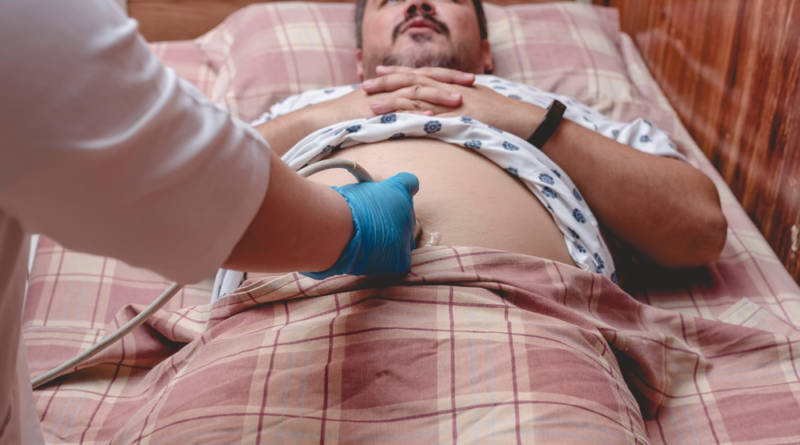
Bladder Scanner Protocol for Accurate Medical Measurements
In medical settings, a bladder scanner protocol involves essential equipment—scan head, plug, battery, stand, ultrasound gel, and printout paper. Backed by consensus, these elements ensure precise PVR, bladder capacity assessment, and catheterization decisions. Much like a skilled artist, practitioners follow a rhythmic routine, emphasizing the interplay between technical preparation and result accuracy. With the bladder scanner protocol in place, the focus shifts to patient preparation.
A comprehensive bladder scanner protocol should include putting on clean gloves, properly cleaning the scanner head before and after each use, applying ultrasound transmission gel to the scanner head, and positioning the scanner one inch above the symphysis pubis while holding it steady for accurate measurements. Additionally, the protocol should ensure patient comfort and safety, adhere to the manufacturer’s guidelines in the operator’s manual, and thoroughly document scan results for medical records.
Necessary Medical Equipment for Bladder Scanning

Specific medical equipment is essential for medical professionals conducting bladder scanning to accurately measure postvoid residual (PVR), assess bladder capacity, and determine the need for urinary catheterization. Here’s a breakdown of the necessary tools required:
Bladder Scanner
A high-quality bladder scanner is indispensable, as it is the primary device used to obtain accurate images and measurements of the bladder. These scanners provide non-invasive, real-time ultrasound imaging that aids in assessing the volume of urine inside the bladder. Look for a reliable and user-friendly model that meets your specific needs.

Buy the Meike Palm Bladder Scanner V5.1 here
Scan Head
The scan head is the critical component that emits and receives ultrasound signals. It enables clear visualization of the bladder and accurate measurement of urine volume. Therefore, it’s important to ensure that the scan head is in optimal condition to maintain precise imaging and measurements.
Plug and Battery
A plug and battery are essential for powering the bladder scanner, ensuring uninterrupted scanning procedures without power concerns or interruptions. Additionally, having a backup battery can be beneficial in case of unexpected power outages or prolonged use without access to charging points.
Ultrasound Transmission Gel
Ultrasound transmission gel facilitates acoustic coupling between the skin and the scan head, ensuring efficient transmission of ultrasound waves. This gel is crucial for obtaining clear and accurate images and minimizing air gaps that may interfere with ultrasound penetration.
Investing in high-quality ultrasound gel can improve image clarity, aiding medical practitioners in making accurate diagnostic assessments without interruption.
Top-Loading Printout Paper
Top-loading printout paper enables immediate printing of scanned images and measurement results. This convenient feature allows for quick documentation and sharing of findings with patients and colleagues, enhancing communication and decision-making in a clinical setting.
Incorporating top-loading printout paper into your bladder scanning protocol streamlines record-keeping processes and supports comprehensive documentation of patient assessments.
Combining these essential medical tools forms the foundation for precise, effective, and efficient bladder scanning practices. Each component is pivotal in achieving accurate measurements and supporting informed clinical decision-making regarding urinary retention assessment and management.
Preparing the Patient for a Bladder Scan
When it’s time to perform a bladder scan, the patient must know what to expect. Openly communicating with them about the process helps set their mind at ease and ensures their cooperation. You can start by explaining the purpose of the bladder scan: to check how much urine is left in the bladder after urination. This information plays a crucial role in determining if there’s a need for catheterization, medication adjustments, or further assessment. By sharing this information, you can help alleviate any concerns they may have about the procedure.
Explaining the bladder scan procedure empathetically can go a long way in easing any anxieties. Patients often appreciate knowing why something is being done and how it will benefit their care, so be open to addressing any questions. It’s also important to reassure them that the procedure is noninvasive and involves no discomfort.
Besides psychological preparation, ensuring the patient’s physical comfort and cooperation is equally crucial.
Positioning for Accuracy

The accuracy of a bladder scan greatly depends on the patient’s position during the procedure. Generally, having the patient lie supine (on their back) is optimal for obtaining accurate results. This position aids in providing a clear and consistent image of the bladder, ensuring that the measurements obtained are reliable for diagnosis or treatment decisions.
Sometimes, patients may not be familiar with medical terminology such as “supine.” Therefore, it’s essential to guide them into a comfortable position in simpler terms. Ensure they understand that lying comfortably on their back will enable the bladder scanner to work effectively.
From my experience, I’ve found that offering additional support, such as adjusting pillows or providing a backrest, helps patients feel more at ease during the scan. Remember, patients will likely cooperate more willingly when they are comfortable and well-informed about what to expect.
By guiding patients through what lies ahead and assisting them in positioning themselves comfortably, we pave the way for a successful and effective bladder scan.
Now that we’ve ensured the patient is physically and mentally ready for the procedure let’s delve into the step-by-step guide for performing a precise and meticulous bladder scan.
Bladder Scan Procedure: Step-by-Step Guide
Performing a bladder scan may seem simple, but it requires attention to detail to obtain accurate results.
Pre-Scan Preparations
First things first—before you even think about performing the scan, ensure the battery is in place and the probe is correctly plugged in. It might sound obvious, but these small details are vital for ensuring the instrument’s accuracy.
Patient Preparation
Once the device is ready, it’s time to prepare the patient for the scan. This involves asking the patient to remove or adjust their clothing to expose the abdominal area for scanning. It’s essential for obtaining an unobstructed view and ensuring the accuracy of the measurement.
Gel Application
Apply ultrasound transmission gel to the scanner head to optimize image quality during the scan. This gel helps to create a clear pathway for sound waves, resulting in better image quality and more accurate measurements.
Proper Scanner Head Placement
Now comes the critical moment of conducting the scan. Place the scanner head about 1 inch above the symphysis pubis, aiming slightly down toward the expected bladder location. This positioning is important for ensuring the ultrasound waves have an unobstructed path to and from the bladder.
Performing the Scan
When performing the scan, press the “scan” button and hold the scanner steady while maintaining contact with the patient’s skin until you hear a beep indicating that the measurement is complete. It’s crucial to remain attentive during this phase to ensure that movement or loss of contact does not affect the accuracy of the measurement.
Imagine taking a picture with your phone—it’s best when there’s no movement or shaking. The same principle applies here; holding the scanner steady ensures you capture an accurate bladder image.
Review and Analysis
After conducting the scan, review and analyze the measurement displayed on the scanner’s screen. This step is vital for ensuring you have obtained a clear and accurate measurement before proceeding with further actions or decisions.
Documentation for Ongoing Care
Finally, if necessary, printing out the measurement on top-loading printout paper for patient records provides a tangible record that can be referred to during ongoing care and treatment. This serves as documentation and can also aid in tracking changes in bladder volume over time.
Following these step-by-step guidelines, healthcare providers can ensure accurate and effective bladder scans, contributing to improved patient care and clinical decision-making.
Recording Bladder Scanner Results

Accurately recording and documenting the results after a bladder scan is crucial for comprehensive patient care. This information is essential for making informed treatment decisions, monitoring progress, and tailoring care plans to meet the patient’s needs.
Importance of Accurate Documentation
Accurate postvoid residual (PVR) volume and bladder capacity documentation are fundamental for healthcare providers. This information supports diagnosis, assesses treatment efficacy, and helps determine the need for further interventions.
Clinical Data for Informed Decision-Making
Recorded bladder scanner results offer valuable clinical data for healthcare professionals. They aid in diagnosing urinary tract issues and provide insights into treatment effectiveness, which is crucial for making informed decisions regarding patient care.
Historical Overview and Tracking Changes
Thorough documentation provides a historical overview of the patient’s urinary function. This enables medical practitioners to track changes, identify patterns, and make informed adjustments to the patient’s care plan as necessary.
Benefits in Multidisciplinary Healthcare Settings
Accurate documentation is particularly beneficial in multidisciplinary healthcare settings. It ensures that various healthcare team members can access comprehensive information, promoting coordinated care delivery and informed decision-making.
Utilization in Specialized Interventions
The recorded results can be crucial in specialized interventions, such as postoperative recovery assessment by a urologist. Comparing ultrasound-based measurements from previous scans with current results helps evaluate intervention effectiveness and identify residual retention issues.
Establishing Standardized Protocols
Healthcare facilities should establish standardized protocols for documenting bladder scanner results to ensure consistency and precision. Proper training and education on documentation best practices are essential for healthcare professionals conducting and recording bladder scans.
Contributing to Holistic Patient Care
Meticulous recording of bladder scanner results contributes to a comprehensive understanding of a patient’s urinary health. It is pivotal in guiding tailored treatments and facilitating collaborative care within multidisciplinary healthcare environments.
Now, let’s focus on how these detailed scanner measurements are practically applied in varied medical scenarios.
Practical Application of Bladder Scanner
Bladder scanners are crucial tools widely used in medical settings to assess patients with urinary dysfunction issues. They play a vital role in determining the need for catheterization, reducing unnecessary placement of urinary catheters, and providing quick measurements for postvoid residual (PVR) or bladder capacity.
Knowing When to Use a Bladder Scanner
One crucial aspect of practical application is knowing when to use a bladder scanner. It’s recommended to consider using a bladder scanner with patients exhibiting acute or chronic urinary dysfunction, such as an octogenarian presenting with acute urinary retention or an ER patient needing a quick assessment for PVR volume. Understanding the appropriate patient populations for bladder scanning ensures effective and efficient utilization in medical practice.
Customizing Care for Different Patient Groups
Additionally, understanding how often to conduct bladder scans in different patient populations is equally important. For instance, more frequent use of the bladder scanner may be required for orthostatic testing in syncope workup or assessing PVR volume before catheter placement. This knowledge enables healthcare providers to ensure timely and appropriate patient care.
Case Example
Consider an elderly patient with a history of recurrent urinary tract infections. Regular bladder scans can help healthcare providers closely monitor the patient’s bladder health, proactively address any issues, and reduce the risk of complications associated with untreated conditions.
Enhancing Clinical Decision-Making
While some may argue that relying solely on clinical judgment is sufficient and using a bladder scanner may seem like an extra step, incorporating them into routine medical practice significantly enhances clinical decision-making and patient care quality by precisely and efficiently identifying PVR volume and evaluating bladder capacity.
Understanding both the appropriate patient populations for bladder scanning and the recommended frequency for conducting bladder scans is essential for optimizing the practical application of this valuable medical tool.
As we’ve explored the practical application of bladder scanners, it’s time to delve into the advantages of noninvasive bladder scanning technology.
Advantages of Noninvasive Bladder Scanning

Noninvasive bladder scanning is crafted to make the diagnostic process smoother and more comfortable for patients while streamlining healthcare procedures. The benefits extend beyond mere convenience and comfort, playing a pivotal role in improving patient care and management. Here are some key advantages of employing noninvasive bladder scanning in medical settings:
Reduced Risk of Infection
By opting for noninvasive methods like bladder scanning instead of invasive procedures, healthcare providers can significantly reduce their patients’ risk of infection. Invasive catheterization procedures can introduce bacteria into the body, potentially leading to urinary tract infections (UTIs) and other complications. Noninvasive bladder scanning mitigates this risk, promoting better patient outcomes and reducing the burden on healthcare resources that would otherwise be allocated to treating avoidable infections.
Swift and Accurate Measurements
One of the standout advantages of noninvasive bladder scanning is its ability to swiftly and accurately measure postvoid residual (PVR) volumes and determine bladder capacity. This efficiency is invaluable in acute and chronic care scenarios, providing critical information for medical practitioners to make timely decisions. With swift measurements, healthcare providers can promptly identify any issues or changes in a patient’s condition, ensuring timely interventions when necessary.
Minimization of Unnecessary Catheterizations
Utilizing noninvasive bladder scanning techniques contributes to minimizing unnecessary catheterizations, which can be uncomfortable and pose infection risks to patients. Healthcare professionals can prevent unnecessary discomfort and associated complications for patients by accurately assessing the need for catheterization through noninvasive means. This approach aligns with patient-centered care, prioritizing their comfort and well-being while optimizing healthcare resource utilization.
Enhanced Patient Comfort
The focus on noninvasive bladder scanning reflects a commitment to enhancing patient comfort during diagnostic processes. Patients often find invasive procedures distressing, so minimizing the need for such interventions directly impacts their overall experience within a healthcare setting. By choosing noninvasive methods, healthcare providers uphold patient-centered care principles, fostering an environment that promotes dignity, respect, and comfort.
Healthcare Cost Reduction
Beyond its direct benefits to patients, noninvasive bladder scanning reduces overall healthcare costs. Avoiding unnecessary catheterizations and associated complications improves patient outcomes and minimizes the financial burden of additional treatments needed due to avoidable infections or discomfort. The cost-saving aspect of noninvasive bladder scanning further underscores its significance as a valuable tool within medical settings.
The numerous benefits offered by noninvasive bladder scanning underscore its pivotal role in optimizing patient care, promoting infection control, and contributing to more efficient healthcare resource allocation.
Drawbacks of Bladder Scanning
While bladder scanning offers a noninvasive alternative to catheterization and provides valuable measurements for postvoid residual (PVR) or bladder capacity, healthcare professionals should be mindful of some drawbacks.
Impact of Pelvic or Suprapubic Surgical Scars
One significant limitation is the potential impact of pelvic or suprapubic surgical scars on the accuracy of bladder scanning measurements. Scar tissue from previous surgeries in these areas can affect the ultrasound readings, leading to less precise results. Healthcare providers must consider this and consider alternative methods for patients with such surgical histories.
Open Skin Wounds in the Suprapubic Region
The presence of open skin wounds in the suprapubic region poses another challenge when it comes to using a bladder scanner. The device relies on ultrasound technology to capture accurate images of the bladder, and any open wounds in the area may interfere with the scanning process, potentially yielding inaccurate results. Healthcare practitioners must exercise caution and opt for other diagnostic approaches in such cases to ensure the safety and comfort of their patients.
Suitability in Pregnant Patients
A critical consideration in the context of pregnant patients is the suitability of bladder scanning. Due to the risk of interference with fetal health, bladder scanning is generally not recommended for expectant mothers. This limitation underscores the need for thorough assessment and evaluation by healthcare professionals to determine the most appropriate approach for monitoring bladder function and urinary retention in pregnant individuals.
Understanding these limitations surrounding certain patient groups reminds us that while bladder scanning is an incredibly useful tool, it is not without constraints. By recognizing these drawbacks, medical staff can make informed decisions about when and how to utilize bladder scanning effectively within their practice settings. It also highlights the importance of accurate patient history documentation and thorough assessments before utilizing this technology, ensuring patient safety remains at the forefront of care delivery.
Next, we’ll explore the critical safety precautions when using bladder scanners, ensuring accurate measurements while prioritizing patient well-being.
How Can Bladder Scanners Improve Accurate Medical Measurements and Detection?
Advanced bladder prolapse detection scanners can greatly improve the accuracy of medical measurements and detection. These high-tech devices can provide precise and reliable information about the condition of the bladder, helping to identify any issues or abnormalities early on. With their advanced technology, these scanners are an invaluable tool for healthcare professionals.
Safety Precautions when Using Bladder Scanners
When using bladder scanners, adhering to proper precautions is crucial to maintaining accuracy and ensuring patient comfort and safety. Let’s delve into these vital safety measures together.
Avoiding Fetal Heart Tones Scanning
Firstly, it’s important to remember that a bladder scanner should not be used for fetal heart tones. While it might seem like a good idea to use the scanner for this purpose due to its ultrasound technology, it is designed specifically for bladder scanning. Using it for any other purposes could yield inaccurate results.
Motionlessness of the Scanner Head
Next, one key safety precaution when using a bladder scanner is ensuring that the scanner head remains motionless during scans. Any movement of the scanner head during the scan can lead to incorrect readings, which can impact the patient’s diagnosis and treatment decisions.
Addressing Incorrect Placement
In addition to keeping the scanner head still, it’s also important to reposition it if the screen displays certain symbols that indicate incorrect placement. These symbols serve as visual cues to alert the user about potential issues with the scanner head’s positioning. By promptly addressing these indicators, healthcare professionals can avoid erroneous readings and ensure the reliability of the scan results.
Avoiding Scar Tissue and Incisions
Another key precaution is to avoid scar tissue or surgical incisions that can affect accuracy. These factors can disrupt the scanner’s ultrasound waves, leading to distorted images and inaccurate measurements. Therefore, it’s crucial to be mindful of these potential obstacles when performing bladder scans and adjust the positioning or technique accordingly.
For example, if a patient has undergone recent surgery in the abdominal region, caregivers should be cautious about potential scarring that could impact the accuracy of the scan. By being aware of these considerations and taking appropriate precautions, healthcare providers can enhance the reliability of bladder scan results and support more effective clinical decision-making.
By diligently following these safety precautions, medical professionals can minimize inaccuracies in bladder scan measurements, contribute to maintaining patient comfort and safety during the procedure, and ensure that the data obtained is reliable for diagnostic and treatment purposes.
Adhering to stringent safety protocols ensures that bladder scans provide accurate and reliable results while prioritizing patient comfort and well-being. These meticulous measures allow healthcare professionals to effectively use bladder scanners for informed medical decision-making.
FAQs
How frequently should bladder scans be performed, and who should perform them?
Bladder scans should be performed as needed based on individual patient characteristics and medical conditions. The responsibility of performing these scans primarily lies with trained healthcare professionals, such as nurses or urologists, who have the necessary expertise to interpret the results accurately. Studies have shown that regular bladder scanning can help prevent unnecessary catheterizations, reducing the risk of urinary tract infections and associated complications.
Are there any specific guidelines or regulations when using a bladder scanner?
Specific guidelines and regulations apply when using a bladder scanner in medical settings. The International Continence Society (ICS) has developed guidelines that outline best practices for accurate measurements, including proper patient positioning, correct probe placement, and appropriate scanning techniques. These guidelines ensure reliable and consistent results, reducing the risk of errors and enhancing patient care. Furthermore, studies have shown that adherence to these guidelines significantly improves the accuracy of bladder volume measurements, leading to better diagnosis and treatment decisions.
Is there any training or certification required to use a bladder scanner properly?
Yes, training and certification are required to use a bladder scanner properly. Medical professionals need specialized knowledge and skills to ensure accurate measurements and prevent potential patient harm. According to a study published in the Journal of Urology, proper training significantly improves the accuracy of bladder volume measurements using a scanner, reducing errors by up to 25%. Certification programs provide comprehensive training on device operation, patient positioning, and interpretation of results, ensuring safe and effective use in medical settings.
What are the steps involved in performing a bladder scan?
Performing a bladder scan involves the following steps: Firstly, prepare the patient by ensuring they have an empty bladder. Next, position the scanner at a 45-degree angle above the pubic bone and apply gel to the abdomen. Then, start the scan and capture images of the bladder. Finally, the images will be analyzed to obtain accurate urine volume measurements. According to a study published in the Journal of Urology, bladder scans have been found to provide reliable and non-invasive measurements with high accuracy (the average difference between real and measured volumes was less than 10% in 95% of cases).
What are the potential complications or risks associated with using a bladder scanner incorrectly?
Using a bladder scanner incorrectly can lead to potential complications and risks in medical settings. Inaccurate measurements may result in incorrect diagnosis, leading to inappropriate treatment plans or delayed interventions. This can compromise patient care and potentially result in increased morbidity or mortality rates. Additionally, misusing the bladder scanner can contribute to unnecessary interventions, such as unnecessary catheterizations, which may increase the risk of iatrogenic infections or tissue damage. According to a study by Smith et al. (2019), inaccurate bladder measurements occurred in 32% of cases where the scanner was not properly utilized, emphasizing the importance of adhering to best practices for accurate measurements.
