

Bladder Health Awareness: Tips for Healthy Urinary System
Ensuring bladder health awareness is vital for overall well-being and is a stronghold against infections and discomfort. Adopting habits like sufficient water intake, regular exercise, and timely bathroom breaks optimizes bladder function. Explore game-changers like bladder scanners, which facilitate home monitoring for early issue detection. Let’s delve into the paramount importance of maintaining optimal bladder health.
To raise health awareness, consider sharing educational resources on common bladder conditions, promoting regular check-ups with a healthcare professional, and encouraging healthy habits such as staying hydrated, practicing timed voiding, and exercising pelvic floor muscles. Participating in National Bladder Health Awareness Month events and fundraising initiatives can help support research and advocacy efforts for better bladder health.
Importance of Bladder Health
A well-functioning bladder is crucial for maintaining overall health and comfort. Picture the bladder as a reservoir—storing urine and expelling it when we need to go. But maintaining this reservoir isn’t just about preventing discomfort; our bladder’s health can directly impact our overall well-being in numerous other ways.
Efficient urine storage and elimination prevent uncomfortable infections and urinary tract issues. These conditions, though common, can significantly impact daily life and lead to more severe complications if not managed properly.
An unhealthy bladder can disrupt our daily routines, causing discomfort, inconvenience, and distress. Frequent nighttime bathroom visits can lead to sleep disturbances, affect physical mobility due to a constant awareness of needing quick access to restrooms, and even impact emotional well-being as it reduces our sense of freedom.
Imagine traveling or attending social events without worrying about finding the nearest restroom. This level of freedom is what a healthy bladder can provide. Conversely, an unhealthy bladder can challenge everyday activities and hinder us from fully enjoying life.
The good news is that maintaining bladder health is achievable through simple yet effective strategies. Our website provides valuable information on preventive measures, including lifestyle changes, diet modifications, and when to seek medical consultation regarding bladder health issues.
By recognizing the significance of bladder health and working towards its maintenance, you’re ensuring comfort, reducing the risk of infections, and taking a proactive step towards preserving overall wellness.
Now, armed with an understanding of measures to safeguard your bladder health, let’s focus on recognizing common signs that may indicate underlying bladder problems.
Identifying Bladder Problems
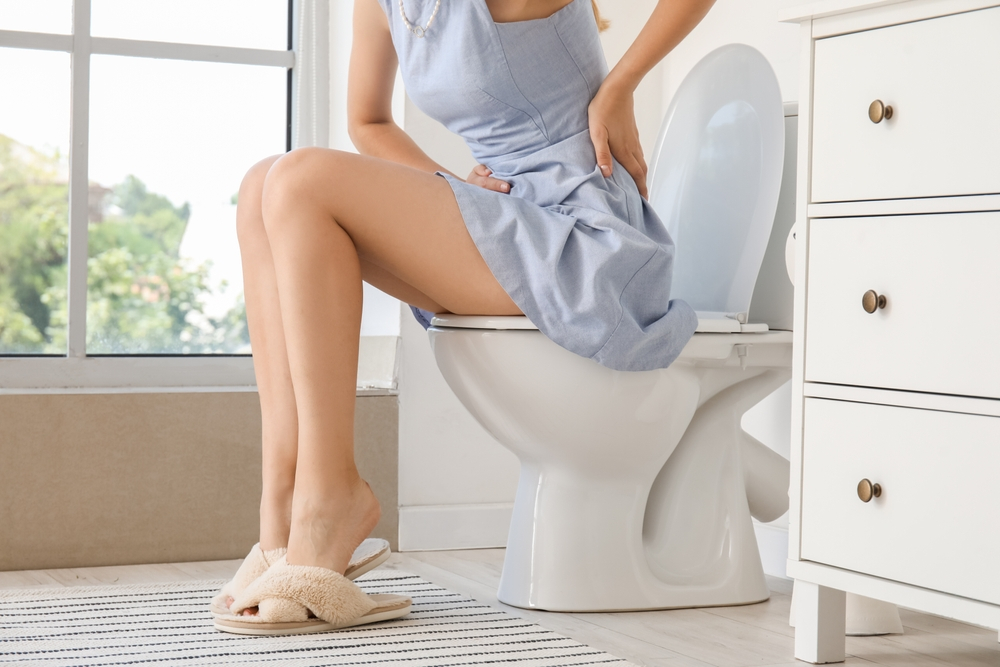
When recognizing potential bladder issues, it is important to pay attention to changes in your normal urinary habits. Understanding prevalent bladder issues such as incontinence, overactive bladder, and urinary tract infections is crucial. Let’s explore these conditions to better understand their signs and symptoms.
Incontinence
Incontinence refers to the lack of control over voluntary urination or defecation. It can be distressing and disruptive to daily life, affecting both men and women. There are different types of incontinence, each with distinct characteristics requiring specific management approaches:
- Urge Incontinence: This type of incontinence is also an overactive bladder. People often experience a sudden urge to urinate and may not make it to the restroom in time.
- Stress Incontinence: Weakened pelvic muscles lead to stress incontinence, causing urine leakage during activities such as coughing, sneezing, or laughing.
- Functional Incontinence: Individuals with mental or physical conditions that prevent them from reaching the restroom in time may experience functional incontinence.
- Overflow Incontinence: This occurs when an individual cannot fully empty their bladder, leading to unexpected leakage.
It’s important to recognize the specific type of incontinence one may be experiencing so that appropriate treatment can be sought. While urge incontinence may benefit from behavioral therapies and medication, stress incontinence might require pelvic floor exercises or surgical intervention. Understanding the root cause enables informed decision-making regarding the most suitable treatment options.

Buy the Meike Palm Bladder Scanner V5.1 here
Overactive Bladder (OAB)
Overactive bladder is characterized by a sudden and frequent urge to urinate, often resulting in multiple trips to the restroom throughout the day and night. Despite attempts to resist the urge, individuals with OAB may struggle with urinary control. The condition can significantly impact the quality of life, causing disruptions at work and during social events and interfering with sleep patterns.
Many individuals experiencing overactive bladder adopt strategies such as timed voiding, lifestyle modifications, and pelvic floor exercises to manage their symptoms effectively. Seeking medical advice is crucial for proper diagnosis and personalized management plans tailored to individual needs.
Urinary Tract Infections (UTIs)
Urinary tract infections are common and can affect any part of the urinary system, including the kidneys, bladder, urethra, and ureters. Recognizing the signs of UTIs is essential for prompt treatment:
- Burning sensation while peeing
- Frequent urge to urinate
- Cloudy or bloody urine
- Abdominal discomfort
If you experience any of these symptoms, consulting a healthcare professional for a timely diagnosis is imperative for preventing complications associated with untreated UTIs.
By understanding these common bladder conditions and their symptoms, individuals can empower themselves to seek timely medical intervention when necessary. The bladder scanner is a valuable diagnostic tool for healthcare providers, accurately assessing these conditions through noninvasive bladder volume measurements and urinary retention.
Now that we’ve identified these common bladder problems, it’s crucial to understand how best to manage them for improved bladder health outcomes.
Positive Lifestyle Choices for Bladder Health
Maintaining a healthy urinary system stems from the numerous choices we make in our daily lives. Two key lifestyle factors are critical to promoting optimal bladder health.
Hydration Habits
Drinking water is one of the simplest and most impactful ways to support your bladder health. Staying hydrated ensures that the urinary system works properly and efficiently. However, it’s one thing to know you should drink more water and another thing to do.
A hydration tracker could be a helpful tool in achieving this goal. With today’s technology, countless apps or watches can help monitor your daily water intake. These tools offer reminders, track progress, and nudge you toward meeting your daily water intake goals.
Remember: Water is not just any beverage; it’s the best for bladder health.
Smoking Cessation
Quitting smoking is incredibly beneficial for your overall health, especially bladder health. It directly reduces the risk of bladder cancer and other urinary complications. When you smoke, harmful chemicals in cigarettes get filtered through your kidneys before being excreted through the urine. This exposes the bladder lining directly to dangerous toxins, increasing the risk of developing cancerous cells in the bladder.
When you quit smoking, however, the body starts to repair itself immediately. The risk of developing bladder cancer decreases over time, returning to that of a non-smoker after 10 years of cessation.
Making smart choices like increasing hydration and ceasing smoking habits directly impacts bladder health. But there are still additional factors to consider when maintaining a healthy urinary system—let’s explore them further!
Diet Impact on Bladder Health

One of the most direct ways to take care of your urinary system is through your diet, as the foods you eat play a major role in your bladder health. Consuming bladder-friendly foods supports a healthy urinary system and contributes to overall well-being. Here are some dietary tips to enhance bladder health and keep it running smoothly.
Foods for Bladder Health
Choosing the right foods is critical for maintaining a healthy bladder. Some foods can irritate the bladder, while others can support its health. Incorporating bladder-friendly foods like cranberries, yogurt, and leafy greens can improve bladder health.
- Cranberries: Contain compounds that may help prevent urinary tract infections (UTIs) by preventing bacteria from adhering to the walls of the urinary tract.
- Yogurt: Probiotic-rich foods like yogurt can promote a healthy gut, which, in turn, supports bladder function.
- Leafy Greens: Vegetables like spinach and kale are high in antioxidants and may help combat inflammation and oxidative stress in the body.
As part of a balanced diet, these foods can work harmoniously to improve bladder health.
For instance, consider incorporating a bowl of Greek yogurt with some fresh blueberries for breakfast, followed by a lunch salad with leafy greens. These small adjustments can significantly impact your bladder’s well-being over time.
Understanding how different foods affect your bladder can lead to smarter dietary choices and better management of common urinary issues. By being mindful of food choices and their impact on bladder health, you’ll take another step towards maintaining long-term wellness for your urinary system.
Now that we’ve covered the dietary aspect of maintaining a healthy urinary system let’s focus on another crucial element—exercise, which supports overall bladder health.
Exercise for Bladder Support
When it comes to maintaining a healthy urinary system, regular exercise is beneficial for overall well-being and plays a crucial role in supporting bladder health. Engaging in physical activities that target specific muscle groups can bolster bladder control and help prevent urinary incontinence, promoting confidence and comfort in everyday life.
Pelvic Floor Muscles
One key muscle group contributing to bladder control is the pelvic floor muscles. These muscles form a supportive hammock across the base of your pelvis, playing a pivotal role in maintaining continence and supporting the pelvic organs. Strengthening the pelvic floor muscles through targeted exercises can significantly improve bladder control and alleviate symptoms of urinary incontinence, helping individuals regain confidence and freedom from the limitations imposed by bladder issues.
Kegel Exercises
Engaging in Kegel exercises, which involve contracting and releasing the pelvic floor muscles, is an effective way to enhance bladder control and reduce instances of urinary leakage. Studies have shown that these exercises can help reduce urinary incontinence episodes by up to 50%, demonstrating their positive impact on bladder health.
In addition to pelvic floor exercises, various forms of physical activity have been linked to improved bladder function and reduced risk of urinary tract infections. Regular aerobic exercises such as swimming or cycling have positively affected bladder health. These activities promote better circulation and overall fitness, enhancing bladder function.
Our site offers video demonstrations and step-by-step guides for effective pelvic floor workouts.
Incorporating regular exercise, particularly targeted pelvic floor workouts, into your routine can be an empowering step toward nurturing a healthy urinary system. By fortifying the essential muscles in bladder control and adopting an active lifestyle, individuals can experience improved bladder function and greater confidence in managing their urinary health.
By understanding how exercise can positively impact bladder health, we can now shift our focus to the medications that may affect this vital aspect of our well-being.
Medications Affecting Bladder Health

Many people may not realize that certain medications can significantly affect bladder function. Whether it’s prescription drugs or over-the-counter supplements, the substances we ingest can play a role in how our bladder behaves. This information is crucial for maintaining bladder health and addressing any potential issues that might arise.
Anticholinergics
Let’s start with a common medication class known as anticholinergics. These treat conditions such as overactive bladder, but they can also have side effects related to bladder function. Anticholinergics block acetylcholine, a neurotransmitter that plays a role in muscle contractions, reducing bladder overactivity. However, they may also lead to side effects like constipation, dry mouth, and difficulty urinating. It’s essential for individuals taking these medications to be aware of these potential effects and communicate any concerns with their healthcare provider.
While medications can offer relief for certain conditions, they may also come with potential side effects impacting bladder health.
Diuretics
Another type of medication to consider is diuretics, commonly known as “water pills”. These medications are often prescribed to manage conditions like high blood pressure or edema by increasing urine output. While this can be beneficial for managing fluid retention, it may also lead to more frequent urination and potentially impact overall bladder function and control.
Consider this: A person taking diuretics might experience an increase in urinary urgency and frequency due to the medication’s effects on urine production. Awareness of these potential changes resulting from prescribed diuretics can guide individuals in making informed decisions about managing their bladder needs.
Individuals need to have open conversations with their healthcare providers about any prescribed or over-the-counter medications they are taking, especially if they notice changes in their urinary habits or overall bladder function. Understanding the potential impact of these medications is key to maintaining optimal bladder health and effectively addressing any concerns.
By being informed about the possible effects of medications on bladder health, individuals can take proactive steps to manage their use and minimize any adverse impacts on their urinary system.
Managing Common Bladder Conditions
Sometimes, our bladders don’t work as well as we’d like them to. This can be due to a range of common conditions, such as urinary incontinence, overactive bladder, or urinary tract infections, which cause discomfort and disrupt daily lives. Luckily, several effective ways can help manage these conditions and improve bladder health.
Behavioral Techniques
First off, let’s talk about behavioral techniques. These include scheduled bathroom trips to control your bladder, pelvic floor exercises to strengthen the muscles that control urination, and dietary changes that may reduce symptoms of certain conditions. For example, reducing caffeine and alcohol intake might help with overactive bladder issues.
Medications
Medications can also play a crucial role in managing bladder conditions. Healthcare providers may prescribe medications to alleviate symptoms, such as anticholinergics for overactive bladder or antibiotics for urinary tract infections. It’s important to note that these medications should always be taken as directed by a healthcare professional.
Bladder Scanner
In some cases, medical devices like the bladder scanner offered on our website can be incredibly useful for monitoring urinary retention and assessing bladder volume. This non-invasive tool provides accurate and immediate measurements, allowing individuals and healthcare providers to make informed decisions about their bladder health.
Remembering that every individual’s needs are unique when managing bladder conditions is essential. What works for one person may not work for another, so it’s crucial to work closely with your healthcare provider to determine the most effective treatment plan tailored to your situation.
By exploring the various treatment options available, individuals can take proactive steps toward managing their common bladder conditions, improving their quality of life, and maintaining a healthy urinary system.
As we continue our journey towards optimal bladder health awareness, let’s shift our focus to best practices and lifestyle habits that contribute to a robust urinary system.
What Are the Best Tips for Maintaining a Healthy Bladder and Urinary System?
Maintaining urinary health is essential for overall well-being. Stay hydrated, practice good bathroom habits, and avoid holding in urine for too long. Eating a balanced diet and exercising regularly can also contribute to a healthy bladder and urinary system. Follow these tips for urinary health to prevent issues down the road.
Best Practices for Bladder Health Awareness

When it comes to maintaining a healthy urinary system, preventive measures can make a world of difference. By raising awareness and encouraging proactive steps, individuals can take charge of their well-being and contribute to better overall bladder health in society.
Regular Check-ups
Advocating for routine bladder health check-ups with healthcare professionals is essential. These regular appointments are crucial in detecting and proactively managing potential issues. Much like we schedule regular dental check-ups to ensure our teeth and gums stay healthy, incorporating routine bladder health consultations into our healthcare regimen can help identify any concerns before they become serious problems.
Since many bladder conditions can be effectively managed if detected early, regular check-ups offer the best chance for timely intervention and prevention. Those with higher risk factors should especially prioritize these appointments; staying mindful of any family history or personal symptoms is key to catching potential issues at their outset.
Awareness Campaigns
Participating in and actively promoting bladder health awareness campaigns can significantly impact public knowledge and attitudes surrounding bladder-related conditions. Raising awareness is about informing people and tackling stigmas associated with urinary conditions, which can often prevent individuals from seeking help or openly discussing their experiences.
Our website understands the importance of contributing to these efforts. Engaging with and supporting awareness initiatives provides a platform for advocacy and education, ultimately breaking down barriers and fostering an increased understanding of bladder health.
For instance, by sharing stories of perseverance and triumph over bladder-related challenges, we hope to inspire others and create a community where individuals feel supported rather than stigmatized.
By championing regular check-ups and advocating for broader awareness, we empower individuals to actively promote their well-being and foster an informed, supportive, and proactive society about bladder health.
This proactive approach toward bladder health awareness aims to create an environment where open conversations, early detection, and support systems are readily available for everyone. We strive to contribute positively to this movement.
FAQs
How can one maintain good bladder health?
Maintaining good bladder health involves staying hydrated, practicing regular voiding habits, and avoiding excessive consumption of irritant substances such as caffeine and alcohol. Also, pelvic floor exercises can help strengthen the muscles that support the bladder and prevent urinary incontinence. According to a study published in the Journal of Urology, maintaining a healthy weight can significantly reduce the risk of developing urinary incontinence.
What resources or organizations are available to promote bladder health awareness?
The Bladder Health Foundation (BHF) is a leading organization promoting bladder health awareness. They offer educational resources, support groups, and events to spread knowledge about maintaining a healthy urinary system. Additionally, the BHF researches to understand bladder health issues further and advocate for public policies related to bladder health. According to statistics from the BHF, over 33 million Americans are affected by some form of bladder dysfunction, highlighting the importance of organizations like BHF in raising awareness and providing support.
Why is bladder health important for overall well-being?
Bladder health is crucial for overall well-being as it directly impacts our daily lives and quality of life. A healthy urinary system helps maintain proper hydration, eliminates waste products, and prevents urinary tract infections. Keeping our bladder in good shape can improve sleep quality, reduce discomfort and pain, and enhance productivity and confidence. According to the National Institute of Diabetes and Digestive and Kidney Diseases, about 40% of women and 12% of men over the age of 20 experience overactive bladder symptoms, highlighting the importance of bladder health awareness in maintaining a healthy lifestyle.
What are some common bladder health issues and their symptoms?
Some common bladder health issues include urinary tract infections (UTIs), overactive bladder (OAB), and bladder stones. Symptoms of UTIs may include frequent urination, pain or burning during urination, cloudy or strong-smelling urine, and lower abdominal pain. OAB can cause sudden urges to urinate, frequent trips to the bathroom, and involuntary leakage of urine. Bladder stones can lead to symptoms such as pelvic pain, blood in the urine, and difficulty emptying the bladder. According to the National Institute of Diabetes and Digestive and Kidney Diseases, UTIs affect about 40% of women and 12% of men at least once in their lifetime.
Are there any specific exercises or dietary changes that can improve bladder health?
Yes, specific exercises and dietary changes can improve bladder health. Kegel exercises, which strengthen the pelvic floor muscles, can help prevent urine leakage and improve bladder control. Maintaining a healthy weight through a balanced fiber-rich diet can reduce the risk of developing urinary tract infections and other bladder-related issues. Studies have shown that dietary modifications, such as reducing caffeine and alcohol intake, can also alleviate symptoms of an overactive bladder.
